
Wet Rooms and Shower trays
The real truth
3/29/20262 min read
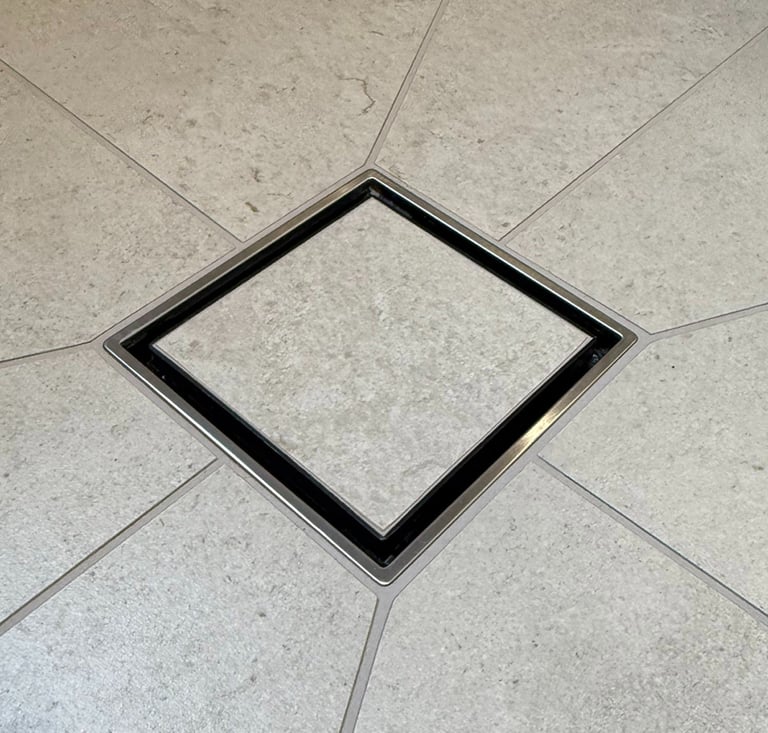
Wet room showers have developed a bad reputation due to horror stories of water damage and drainage issues. In reality, these problems stem from poor workmanship, not the concept itself.
When executed correctly, a wet room is a high-end feature that requires meticulous planning, precision installation, and expert craftsmanship.
The foundation begins with a carefully installed floor former, which provides the required gradient for efficient drainage. Most formers are already waterproof, meaning only the seams and transitions need to be properly sealed.
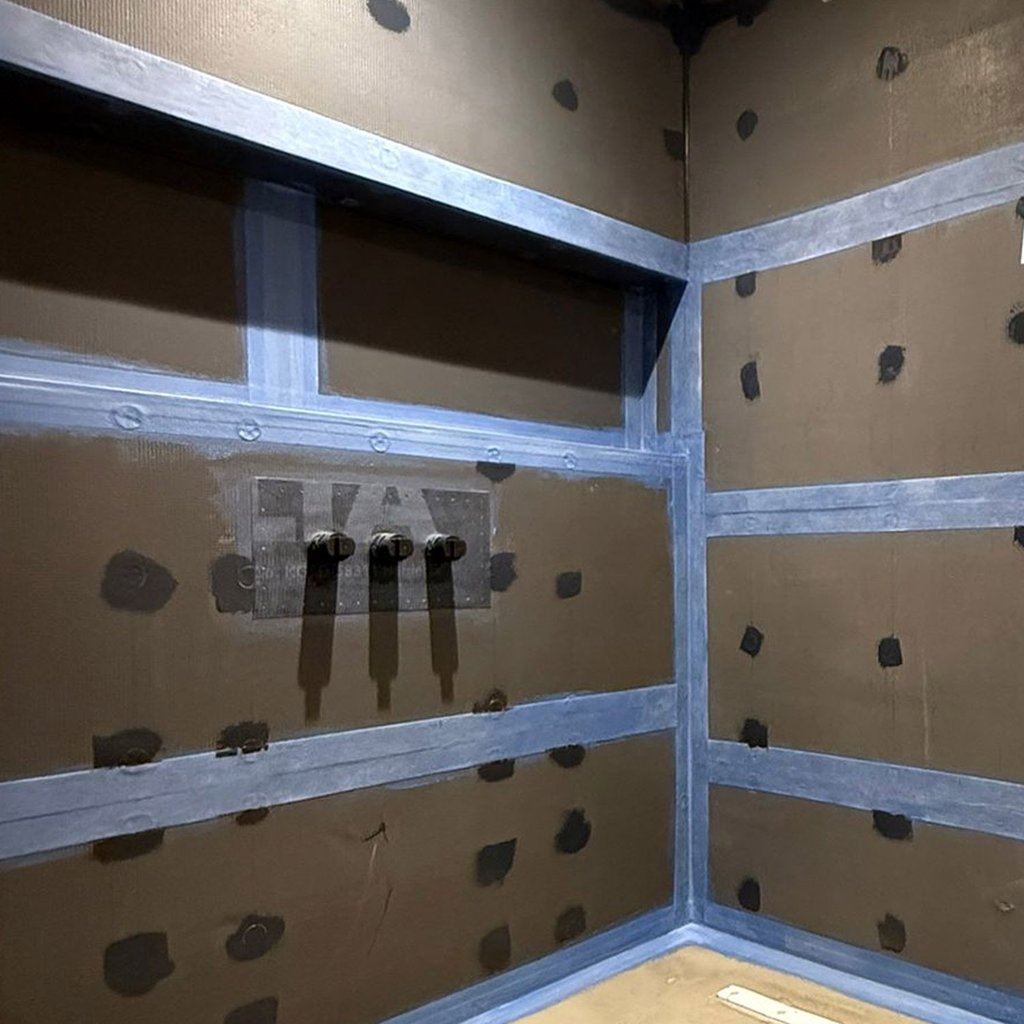
Tanking is one of the most critical stages. The area must be fully sealed, typically with an initial seal using CT1, with tanking tape bonded into place at all joints and transitions. A full waterproofing system may then be applied depending on the system being used.
Achieving a seamless look requires tile enveloping — precision cutting of tiles to follow the contours of the fall, avoiding awkward transitions or visible steps.
To maintain a premium finish, tiles are cut and polished to achieve a clean, factory-quality edge.
Equally important is ensuring the floor outside the wet zone remains perfectly level. This allows shower screens to sit flush and stable, without gaps or movement.
This level of detail and control is what separates a well-executed wet room from one that fails prematurely, and it’s why they sit at the higher end of installation costs.
Done properly, a wet room is not just a shower. It’s a clean, architectural space that delivers a true spa-like experience.
Shower Trays
The other option is a shower tray.
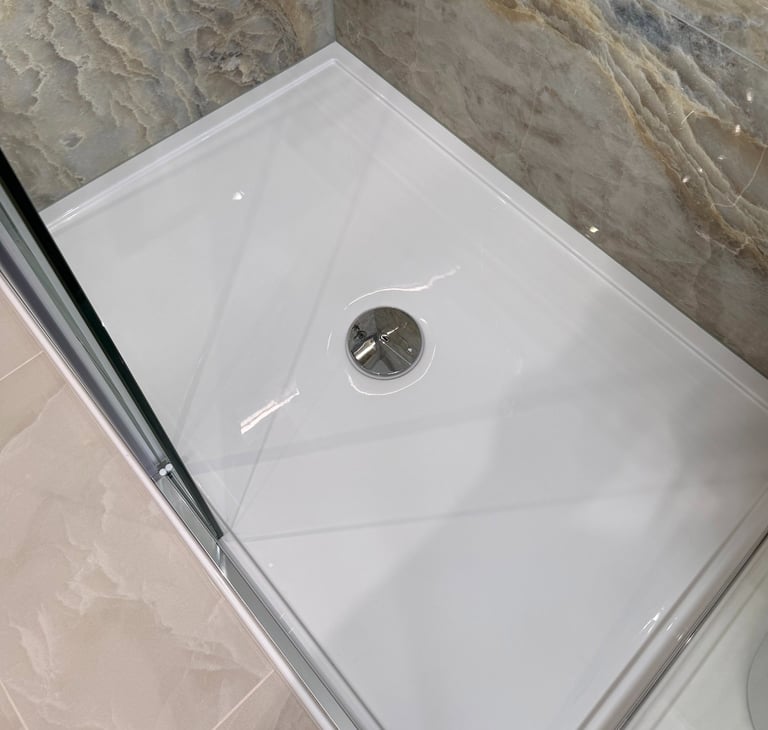
Cheaper trays come in standard sizes, so the room has to suit the tray. They’re more budget-friendly, but you’re working within fixed dimensions.
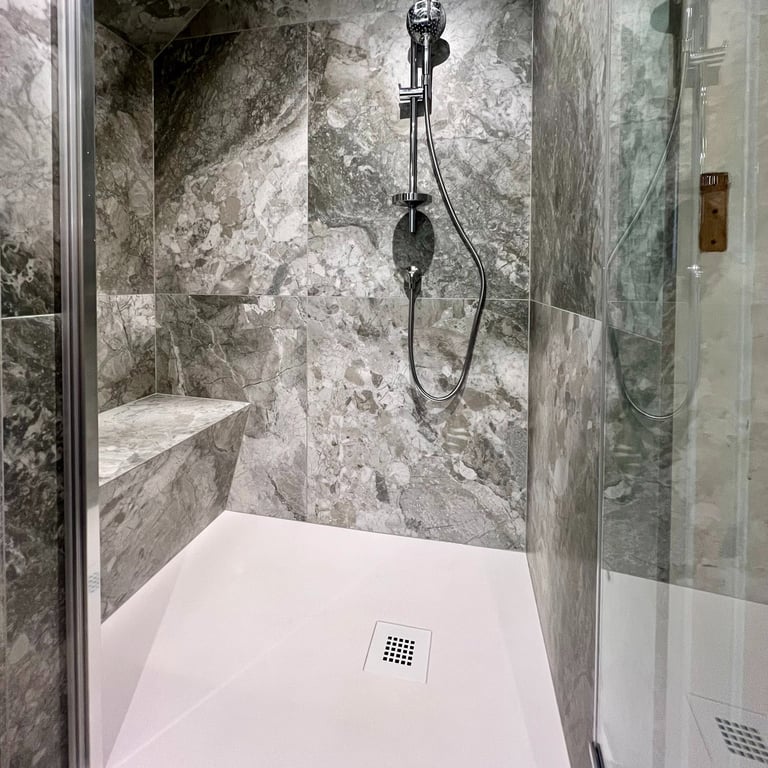
More premium trays, like the stone resin range from Tissino, are a different level.
They don’t have lips, can be cut to size, and are designed to fit the room properly.
They also come in a range of colours and finishes, often matched to stone, so they sit much better within a high-end design.
KONNECT WITH US
SEND US A MESSAGE
© 2026. All rights reserved.
Tel
01244 848 691