
Contingencies
Planning for the Unexpected
3/15/20261 min read
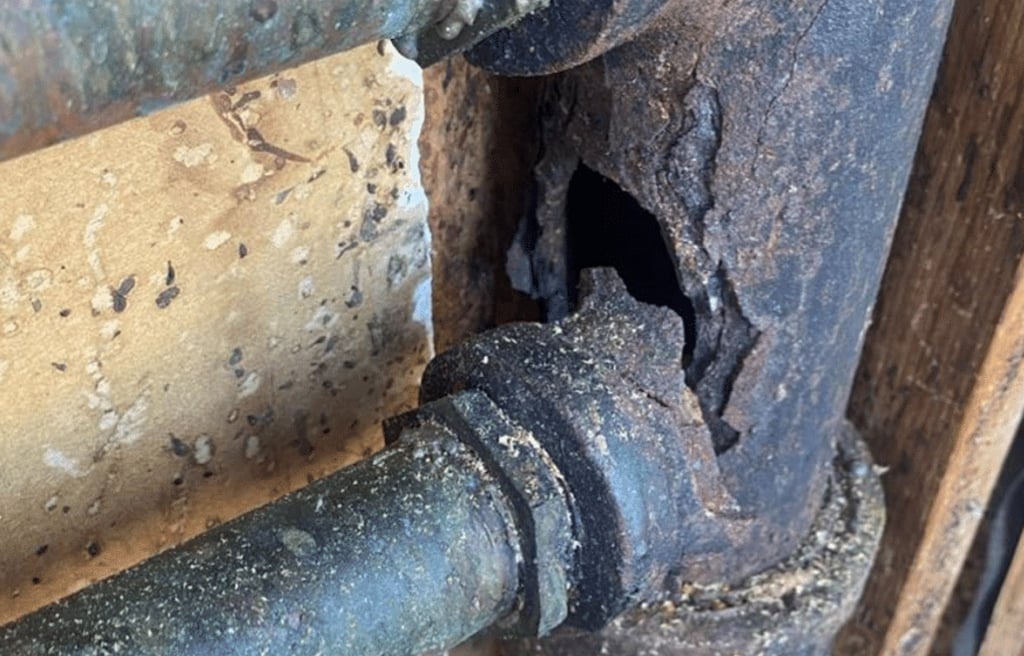
In any project, things don’t always go exactly as planned. That’s why contingencies exist—to cover unforeseen costs, delays, or adjustments that might arise during an installation. There are two types of contingencies:
1. Contractor’s Contingency
A contractor’s contingency is a built-in cost that ensures the project stays on track despite unforeseen challenges. Unlike a client’s contingency, this is not a refundable amount—it is considered spent money, allocated to managing variables that affect time, resources, and materials.
It accounts for:
Material cost fluctuations – Prices can change between quoting and ordering.
Traffic and logistical delays – Unpredictable disruptions that impact scheduling.
Planning interference – Minor scope changes that affect the timeline.
Product or material delays – Late deliveries that require adjustments to workflow.
A responsible contractor builds this into their pricing, ensuring that unexpected challenges don’t derail the project or cause delays.
2. Client’s Contingency
This is a budget that clients should set aside for unexpected costs that arise during the project. Unlike a contractor’s contingency, this is not included in the quote—it’s a separate reserve to cover unforeseen work or changes.
It covers:
Changes to scope – If a client decides to add work that wasn’t originally quoted (e.g., additional tiling, upgraded fixtures, or extra carpentry).
Unforeseen issues – Hidden problems like uneven floors that require levelling, damaged plaster, or outdated plumbing or electrics that need replacing.
A 10-20% contingency fund is recommended, depending on the level of quotation to avoid unexpected financial strain.
Why Contingencies Matter
By planning for contingencies, both contractor and client can avoid unnecessary stress, delays, or disputes.
The contractor’s contingency is accounted for in pricing and ensures smooth project execution.
The client’s contingency is an extra safety net, preventing surprises from derailing the budget.
Having a clear understanding of these contingencies allows for a realistic, well-managed project where both parties are prepared for the unexpected.
KONNECT WITH US
SEND US A MESSAGE
© 2026. All rights reserved.
Tel
01244 848 691